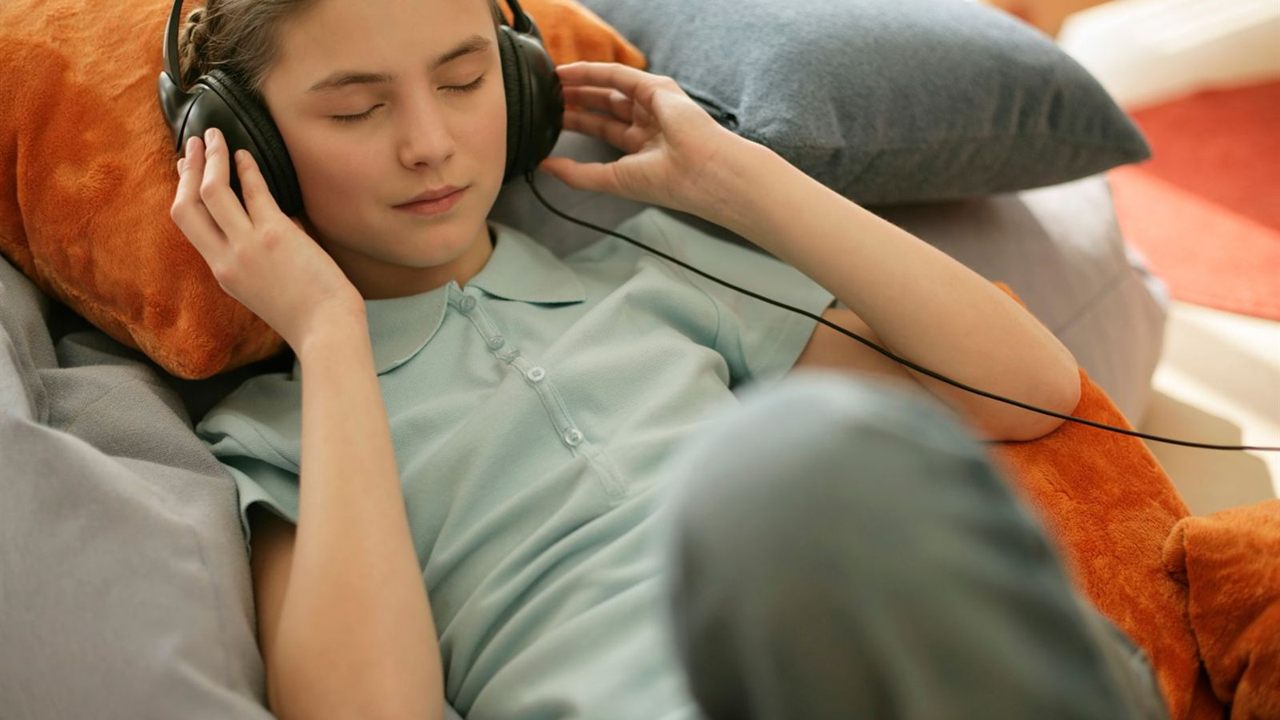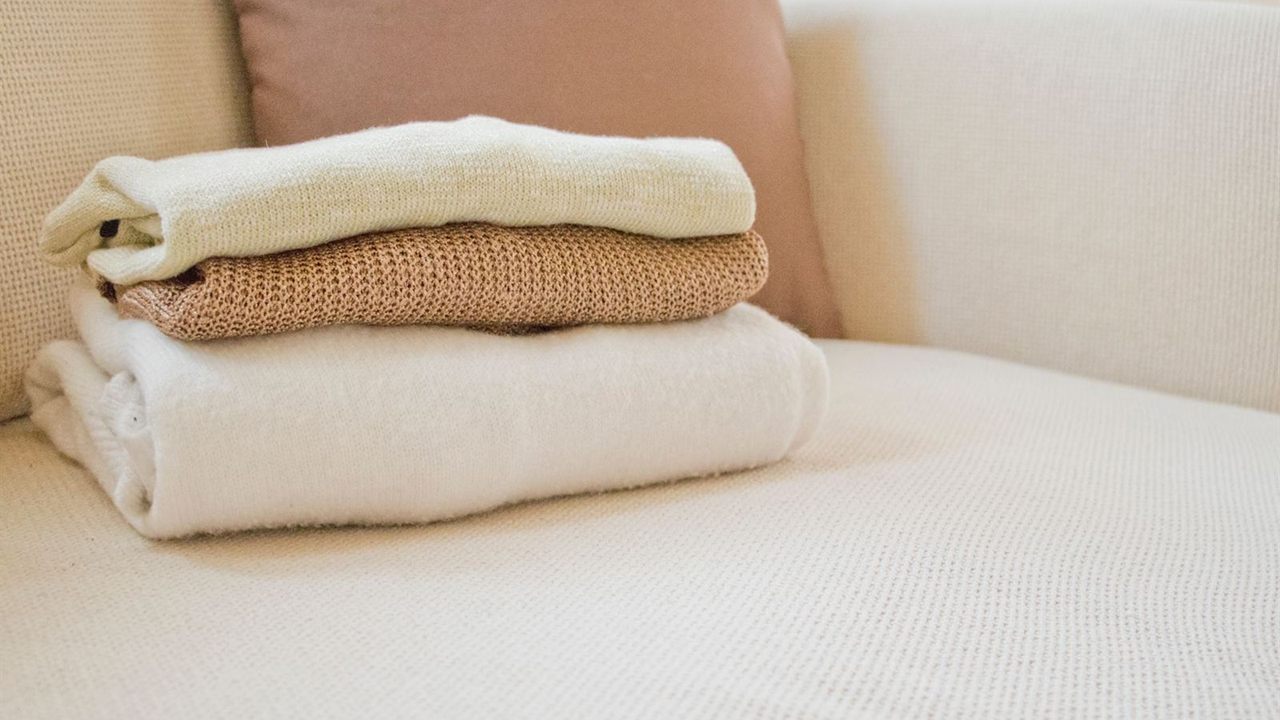
A weighted blanket for autism is a blanket filled with beads or pellets that gives steady, even pressure. Many families like how it feels, but it is not proven to improve sleep. In the largest trial in autistic children, 73 kids aged 5 to 16 used one, and it did not increase total sleep time compared with a normal blanket.
Quick answer
Does a weighted blanket for autism help?
It may feel calming, and in one trial children and parents favored it, but it did not make children sleep longer or fall asleep faster. Never use one for a baby, and your child must be able to remove it alone, with the head uncovered. Decide with an occupational therapist or doctor.
Last checked: November 16, 2026. This is general information, not medical advice. Talk to your child’s doctor before using any weighted product.

This guide is part of our family guide to autism sensory issues. If sleep is the main worry, start with what helps when an autistic child is not sleeping; a blanket is one small piece of that plan.
What does the research say about a weighted blanket for autism?
The best evidence says a weighted blanket for autism does not fix sleep problems, but many children like it. That is the honest summary of the only large randomized trial in autistic children and of later reviews.
The 2014 Pediatrics trial
Gringras and colleagues ran a placebo controlled crossover trial in the UK, published in Pediatrics in 2014. Children aged 5 years to 16 years 10 months with autism and severe sleep problems used a weighted blanket for 2 weeks and an “otherwise identical usual weight blanket” for 2 weeks.
- 73 children were randomized and 67 completed the study.
- The weighted blanket did not increase total sleep time.
- It did not shorten the time to fall asleep or reduce night waking.
- Parents and children still favored the weighted blanket, and both blankets were well tolerated.
You can read the abstract on PubMed: Weighted blankets and sleep in autistic children, a randomized controlled trial.
What reviews found
A 2020 systematic review in the American Journal of Occupational Therapy looked at eight studies across different groups. It said weighted blankets may help reduce anxiety, but there was “not enough evidence” that they help with insomnia. A network meta-analysis in the journal Autism (2026) compared sleep treatments for autistic children. Its plain language summary said weighted blankets had “little impact” on sleep.
| Question | What studies found | What it means for you |
|---|---|---|
| Longer sleep? | No difference in the 2014 trial | Don’t expect it to fix sleep |
| Faster to fall asleep? | No difference | Keep working on the routine |
| Do kids like it? | Children and parents favored it | Comfort alone can be a fair reason |
| Less anxiety? | Possible, weak evidence, mostly not autism studies | Watch your own child’s response |

Is a weighted blanket safe for an autistic child?
A weighted blanket can be safe for an older child who can move it off easily, when an adult checks in and the head stays uncovered. It is not safe for babies, and it must never be used to hold a child down.
Never for babies
The American Academy of Pediatrics is clear on this point. Its safe sleep guidance says: “Don’t use weighted blankets, sleepers, swaddles or other weighted objects on or near your baby.” Those rules cover babies up to 1 year old. Read the full AAP safe sleep guide for parents on HealthyChildren.org.
Never as restraint
In 2008, a 9 year old autistic boy in Quebec died after a school staff member wrapped him tightly in a heavy weighted blanket with his head covered. The coroner, as reported by The Globe and Mail, called for therapist or doctor approval, constant supervision, an uncovered face, and use “as therapy, not as a form of punishment.”
Safety checklist from clinical guidance
Somerset NHS Foundation Trust (UK) children’s therapy service gives families these rules:
- Your child must be able to remove the blanket or get free from it alone.
- The head and neck must not be covered.
- Your child must be supervised while using it.
- Never use it to restrain your child.
- Their guidance says not to use it overnight: remove it once your child is asleep.
- Check health first: anything affecting breathing, temperature control, skin or the ability to move it off.
That service, whose guidance is adapted from the Royal College of Occupational Therapists, does not recommend weighted blankets as therapy because the evidence is limited. Decide with your own child’s care team.

How heavy should a weighted blanket be for a child?
We found no US or California government standard for blanket weight. The Somerset NHS guidance notes that manufacturers often say a weighted blanket should not be more than 10% of the person’s body weight. Treat that as a maximum to discuss with an occupational therapist or doctor, not a target. Ask about your child’s size, strength and health.
Then test it at home: watch your child push it away from lying down, several times, before you leave the room.
How to choose a weighted blanket for an autistic child
Choose by safety, fit and sensory need, not by brand. We don’t rank products or link to stores.
- Talk to a professional first. An OT can judge whether deep pressure suits your child. Ask about getting OT through your health plan, regional center or school (our guide to IEP related services covers school OT).
- Pick a size that fits the body, not the bed. A blanket that hangs over the edges can pull or tangle.
- Check the filling. Small, evenly spread pockets keep weight from bunching. Seams should be strong, with no loose beads a child could swallow.
- Match the fabric to your child’s senses. Some kids love smooth fabric, others need cotton that stays cool. Let your child touch samples.
- Read the label. Follow the maker’s age and weight warnings and washing rules.
- Start short and awake. Try it on the lap while reading or watching a show, and let your child say no.

Alternatives to a weighted blanket
If the blanket is too risky, too hot or simply disliked, other options can give comfort.
| Option | Good for | Watch for |
|---|---|---|
| Weighted lap pad (awake, supervised) | Sitting tasks, car rides with an adult | Same removal and supervision rules |
| Regular blanket your child picks | Sleep, comfort, choice | Babies: no loose bedding |
| Calming sensory toys | Busy hands, waiting | Small parts for young kids |
| Bedtime routine changes | Falling asleep | Takes weeks to judge |
See our guide to choosing sensory toys for autism by sensory need. If your child gets overwhelmed during the day, read signs of autism sensory overload and how to help. Any therapy that includes deep pressure should be described to you clearly; ASC’s Options Policy explains why no single approach fits every autistic person.

Frequently asked questions
At what age can a child use a weighted blanket?
Never under 1 year: the AAP says no weighted blankets, sleepers or swaddles on or near a baby. After that, there is no single official age. What matters is whether your child can remove it alone and is supervised. Follow the product label and ask your child’s doctor or OT.
Can an autistic child sleep with a weighted blanket all night?
Some clinical guidance says no. Somerset NHS tells families to remove the blanket once the child is asleep, because nobody is watching overnight. If you are thinking about overnight use, discuss the risks with your child’s doctor first and follow their advice.
Does a weighted blanket help with meltdowns?
There is no good evidence that it prevents meltdowns. Some children find pressure calming when offered as a choice. Never put a blanket on a distressed child who is resisting it. Our guide on autism meltdown vs tantrum covers how to respond.
Will insurance or a regional center pay for one?
Coverage varies and we could not confirm a statewide rule. Ask your health plan, and raise it at your child’s regional center planning meeting if an OT recommends it.
Next step
A blanket works best as one part of a wider sensory plan. Read the autism sensory issues guide for home, school and outings, then talk with families who have tried it: find autism support groups in California, or get involved with the Autism Society of California. Questions? Call 1-800-869-7069 or email caautisminfo@gmail.com.