
A regional center IPP meeting is where you, your family and your service coordinator write the Individual Program Plan (IPP), the document that decides which services the regional center funds. Under California’s Lanterman Act, your first IPP must be written within 60 days of intake and assessment, and you can ask for a new meeting at any time.
Quick answer
Regional center IPP meeting: a planning meeting between you (or your child’s family), your regional center service coordinator and anyone you invite. Together you agree on goals and the services that support them. The IPP is reviewed at least every three years, and a review you ask for must happen within 30 days.
Last checked: November 10, 2026. This is general information, not legal advice.

What is an IPP at a regional center?
The Individual Program Plan is a written, person-centered plan you create with your planning team. The Department of Developmental Services (DDS) says it covers what is happening in your life, what matters to you, your goals, and the services the team agrees will help. It is also the record of what was agreed if a service is later cut. Children under 3 in Early Start get a different plan, the IFSP.
The new statewide person-centered IPP
A 2023 California law required DDS to create one standard IPP for every regional center. Since January 1, 2025, every new IPP uses this format. People with two- or three-year IPPs can ask to switch early, and all IPPs move to the new format by the end of 2027. The new format is organized by life areas, such as communication, and is written around what is important to the person and what support they need.
Who attends a regional center IPP meeting?
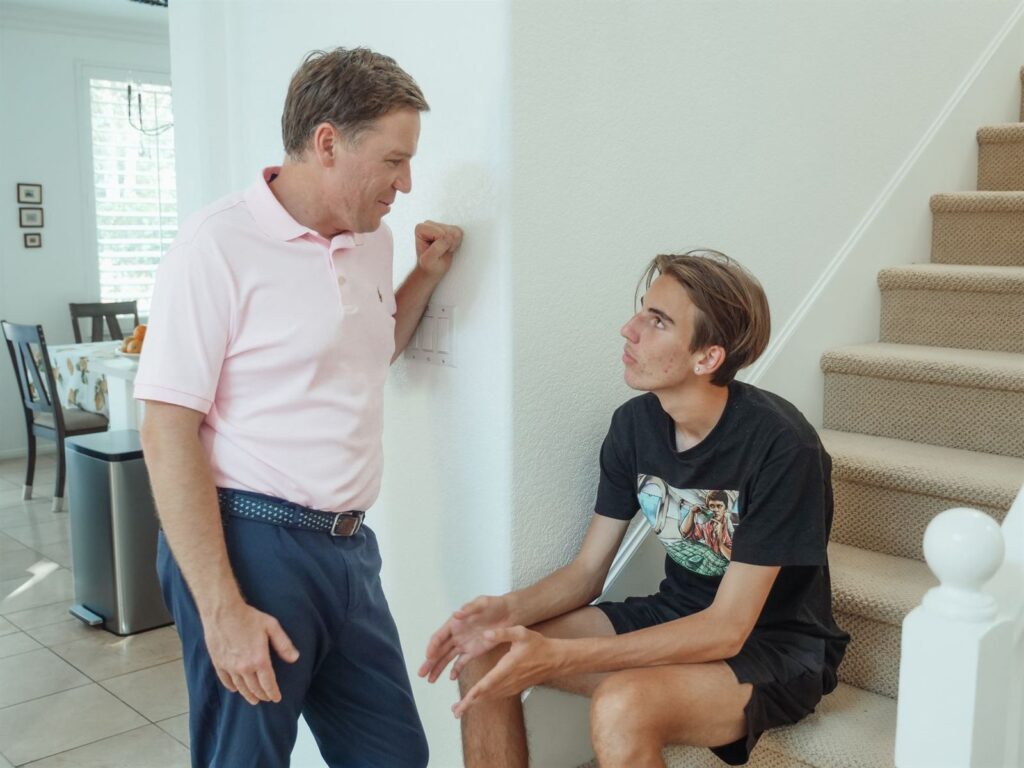
The planning team writes the IPP. It includes the person served, a parent if the person is a minor, and a conservator or authorized representative if an adult has one. Your service coordinator or another regional center representative must attend. You may invite anyone else: a relative, a friend, a therapist, a teacher or a service provider, for all or part of the meeting.
- Ask in advance whether the person who can approve new services will be there.
- Invited guests can join by phone or video if they can’t come in person.
- You don’t have to discuss private or medical topics you prefer to keep out of the meeting.
Are IPP meetings virtual or in person?
Both are possible. DDS states that IPP meetings can be held remotely, for example on Zoom or by phone, under Welfare and Institutions Code section 4646(f). One limit applies: the service coordinator must meet the person in person at least once every 12 months. For any other condition, ask your service coordinator.
You may also record the meeting. Tell the regional center at least 24 hours ahead, as WIC section 4646.6 requires.
How often is the IPP reviewed?
The law sets a floor, not a ceiling. Your IPP must be reviewed and updated at least once every three years, and you can ask for a meeting whenever needs or goals change. People on the Medi-Cal waiver, and some living in licensed homes, have yearly reviews.
| Event | Timeline | Law |
|---|---|---|
| First IPP after intake and assessment | Within 60 days | WIC 4646(c) |
| Meeting you request to change the plan | Within 30 days | WIC 4646.5(b) |
| Follow-up if the plan needs a second meeting | Within 15 days, unless you agree to later | WIC 4646(h) |
| Full IPP review | At least every 3 years | WIC 4646.5(b) |
| Written notice if you disagree with part of the plan | Within 5 business days | WIC 4710(b) |
How to prepare for an IPP meeting
DDS publishes free workbooks for each age group: “Your Child’s Plan” (ages 3 to 13), “Your Youth’s Plan” (14 to 22) and “Your Plan” (22 and older). Each asks about strengths, preferences and goals; bring the filled-in pages.
- Ask your service coordinator for a copy of the current IPP and, if it’s your first one in the new format, a blank printout.
- Write down what a typical day looks like, including what is going well and what is hard.
- List each service you want to ask for, with the reason it’s needed.
- Gather recent reports: evaluations, school records and letters from doctors or therapists.
- Note other help you already get, such as IHSS, Medi-Cal or school services. These “generic resources” go into the plan too.
- Send your requests by email a few days early, so the regional center can come ready to decide.
If you are still gathering intake paperwork, our regional center intake checklist lists the documents most centers ask for.

IPP goals and how services are written
Good IPP goals describe a real outcome in plain words, then name who does what to support it. Disability Rights California advises clear, measurable goals, because a vague goal makes it easier to cut a service later. The plan should also say how often the team will review progress.
Some IPP goal examples, written for different ages:
- “Maya will ask for a break using her communication app at home, three times a day, within six months.”
- “Leo will take the bus to his community college class on his own by the spring term.”
- “The family will have four hours a week of respite so parents can rest and attend the other children’s events.”
Each service should be written with the provider, the amount, how often, the start date and who pays. Therapies such as speech, occupational therapy or behavior services are planned around the person’s needs; ASC’s Options Policy on autism treatments explains why we don’t promote one approach. For what the regional center can fund, see our guide to what regional centers pay for.

IPP vs IEP: what is the difference?
Many families have both plans at once. A fuller comparison is coming in our IPP vs IEP guide for California families.
| Question | IPP | IEP |
|---|---|---|
| Who runs it | Regional center | School district |
| Law | Lanterman Act (California) | Federal IDEA and California Education Code |
| What it covers | Life goals and services at home and in the community | Special education and related services at school |
| Review | At least every 3 years | At least once a year |
After the meeting, and what to do if you disagree
At the end of the meeting, you should receive a list of the services everyone agreed on. The full IPP is usually typed afterward. Read it before you sign. You can ask for a translated copy, and in a threshold language the regional center must provide it within 45 days.
You may sign the parts you agree with and note what you don’t. If the regional center refuses a service you asked for, it must send a written Notice of Action, and you can appeal. Our guide to the regional center fair hearing and appeal process covers the deadlines, including how to keep current services during an appeal.

Frequently asked questions
Do I have to sign the IPP at the meeting?
No. You can take the written plan home and read it first. Signing shows agreement, and a signed IPP that includes a reduced or denied service can count as agreement, so no Notice of Action follows. Sign only the parts you agree with, and write down what you dispute.
Can I ask for an IPP meeting outside the regular schedule?
Yes. You can call the planning team together at any time by contacting your service coordinator, for example after a move, a new diagnosis or a school change. The meeting must take place within 30 days of your request. Put the request in writing and keep a copy.
What if my regional center hasn’t scheduled the meeting?
Contact your service coordinator and their supervisor in writing and ask for a date. DDS suggests this first step when a requested IPP hasn’t been scheduled after 30 days. If that fails, the regional center’s Clients’ Rights Advocate or DDS’s complaint process can help.
Next step
Download the workbooks from the DDS Individual Program Planning page. For legal detail, see Disability Rights California’s Lanterman Act rights chapter on IPPs. For the bigger picture, start with our guide to autism services in California.
Questions before your meeting? Call the ASC information line at 1-800-869-7069, or find a local Autism Society affiliate near you for parent-to-parent support.