
An autism friendly Christmas is one you plan around your child’s sensory and routine needs instead of the holiday’s noise and surprises. Start with three things: a picture schedule for the days that change, a quiet room at every gathering, and steady lights instead of flashing ones. Families flying for the holidays can also call TSA Cares at least 72 hours before the flight to ask for screening help.
Quick answer
Autism friendly Christmas: keep as much of the daily routine as you can, preview every change with pictures or a calendar, and plan a quiet space plus an exit time for each gathering. Choose steady lights, easy-open gifts, familiar food, and fewer visits. Let your child, or autistic adult, help decide what matters most.
Last checked: November 10, 2026. This is general information, not medical advice.

How do you plan an autism friendly Christmas?
Plan it by cutting surprises, sensory load and pressure. Show the plan ahead of time, keep sleep and meal times close to normal, and decide in advance what your family will skip. Keep the two or three traditions your child enjoys and let the rest go.
Holidays are hard because almost everything changes at once: school, the house, visitors and food. Together these changes can push a child into sensory overload in an autistic child, so plan for the whole season, not just December 25.
Build a holiday schedule
- Use a wall calendar or a picture schedule that shows each day from mid-December to early January.
- Mark school days, visits, travel days and “home days” with different colors or symbols.
- Write a short social story about Christmas Day: who will be there, what happens, and where the quiet room is.
Common holiday stressors and sensory-friendly alternatives
Most holiday stress comes from a few predictable triggers. Pick two or three swaps from this table, not all of them.
| Holiday stressor | Sensory-friendly alternative |
|---|---|
| Flashing or color-changing lights | Steady warm-white lights on a timer |
| Surprise gifts in paper and tape | Gift bags, clear wrap, or one gift opened at a time |
| Crowded family dinner | Arrive early, eat in a smaller room, set a leaving time |
| Long line to meet Santa | Sensory-friendly Santa session with booked times |
| Holiday music everywhere | Noise-reducing headphones and a quiet playlist |
| Unfamiliar holiday food | Bring safe foods; no pressure to try new dishes |
| Changing the whole house in one day | Decorate over a week, one area at a time |
Preparing for family gatherings
Tell your child who will be there and show photos of relatives they haven’t seen in a while. Tell relatives what helps, too. A short message works: “He may wear headphones and skip hugs. A wave is great.”

Plan the quiet space
Ask the host for a spare bedroom or a corner away from the noise. Set it up when you arrive, before your child needs it. Bring familiar items, such as headphones, a favorite book or a weighted lap pad. Agree on a signal your child can use to ask for a break, like a card or a word.
Set an exit time
Decide when you will leave before you go, and tell your child. Leaving on time while things are still going well beats staying until a meltdown.
Gifts and wrapping that work for autistic kids
The best gift links to your child’s real interests, not to what a toy box says about age. Ask relatives to choose from a short wish list. Ask them, too, to say what they are giving if surprises upset your child.
- Open gifts over the day or over several days instead of in one rush.
- Take toys out of the packaging and add batteries before you hand them over.
- Skip loud or flashing toys unless your child loves them.
- Sensory gifts such as fidgets, chewables or a body sock can help with regulation as well as play.
Our guide to the best sensory toys for autism compares toy types by sensory need. If your family is thinking about a weighted blanket as a gift, read our weighted blanket for autism safety guide first. It covers who it is not suitable for.

Decorations, lights and the Christmas tree
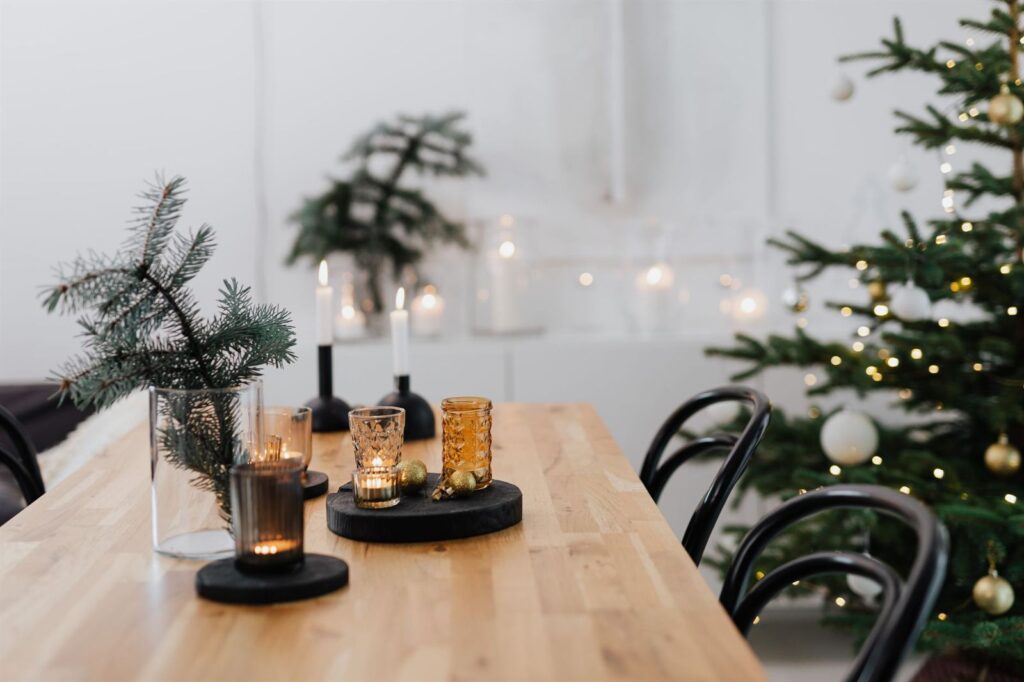
Change the house gradually. Put the tree up first and leave it for a few days before adding ornaments. Let your child hang some ornaments. Keep one room, often their bedroom, the same as usual.
For lights, pick a steady mode instead of chase or twinkle settings, and use a timer so they switch off at the same time each night. Unbreakable ornaments are a good idea if your child touches or mouths objects. If a tree is too much, a small tabletop tree or window lights still mark the season.
Holiday food without the battle
Bring your child’s safe foods to every meal, and serve them on a familiar plate. If dinner runs late, feed your child at the usual time and let them join for dessert or not at all.
Travel over the holidays
For car trips, plan stops in advance and show them on a map. For flights, call TSA Cares for help with airport security screening at (855) 787-2227 at least 72 hours before you fly. They can arrange a Passenger Support Specialist, a trained TSA officer who helps at the checkpoint. It does not let you skip screening.
A packed bag makes every outing easier. Our sensory kit for outings lists what to bring, from snacks to noise cancelling headphones for autism.

Finding sensory-friendly holiday events in California
Sensory-friendly Santa visits run at some malls before opening hours, with dimmed lights, no music, and booked times instead of a line. Some theaters, museums and zoos in California also offer sensory-friendly holiday shows. Dates change every year, and we could not confirm any 2026 California dates when we checked.
- Ask your local mall’s guest services whether it hosts a sensory-friendly Santa session, and when booking opens.
- Ask your local Autism Society affiliate in California and your regional center service coordinator about holiday events.
- Check your library, city parks and recreation department and local theaters for “sensory-friendly” listings.
- Browse our list of autism friendly places in California for year-round options.
What to do if a holiday meltdown happens
A meltdown is a response to overload, not bad behavior, so the goal is safety and calm, not discipline. Move your child to the quiet space, lower your voice, cut talking to a few words, and wait. Explain briefly to relatives later, if at all. Our guide to autism meltdown vs tantrum explains the signs and what helps.
Afterward, note what came before it, such as hunger, noise or an unexplained change, and adjust the next plan.
Frequently asked questions
How many gifts should an autistic child open at once?
There is no set number. Many families open one gift, let the child play with it, and open the next later. Spreading gifts over Christmas Day, or over several days, keeps the excitement from becoming overload. Watch your child’s signals and pause when they need a break.
Are flashing Christmas lights bad for autistic children?
Not for every child, but flashing, chasing or color-changing lights bother many people with sensory sensitivities. Steady warm-white lights are a safer default. Use a timer so the lights go off at the same time each night, which also keeps bedtime predictable.
Should we skip Christmas with family if our child struggles?
You don’t have to choose all or nothing. Shorter visits, a quiet room, an agreed leaving time, or seeing relatives on a calmer day often work better than skipping. Some families host at home, where their child already feels safe.
How do we explain our child’s needs to relatives?
Send a short message before the visit. Say what helps, such as headphones, no hugs or a quiet room, and what to avoid. Most relatives want to help but don’t know how.
Next step
For more ideas on sensory needs at home and on outings all year, read our family guide to autism sensory issues. Holidays are easier with people who understand: find autism support groups in California where parents swap plans that worked, or see how you can get involved with the Autism Society of California.